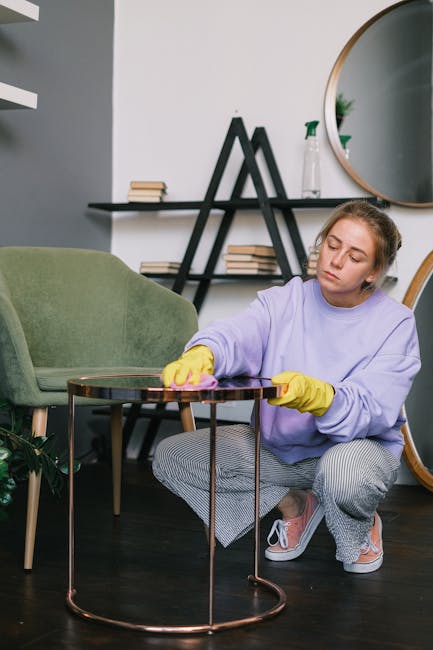
Westow Hill upholstery cleaning insider tips Crystal Palace
If your sofa, armchair, dining chair, or banquette has started to look a bit tired, you are not alone. In homes around Westow Hill and wider Crystal Palace, upholstery picks up everyday life fast: tea spills, pet hair, grease from hands, damp shoes near the hall, the lot. The good news is that Westow Hill upholstery cleaning insider tips Crystal Palace is not just about making fabric look nicer. It is about choosing the right method, protecting delicate fibres, and avoiding the common mistakes that turn a small stain into a costly repair.
Truth be told, upholstery cleaning is one of those jobs that looks simple until you actually do it. A little too much water, the wrong cleaner, a rushed scrub, and suddenly the mark spreads or the fabric changes texture. This guide gives you practical, local-minded advice for getting better results, whether you are doing light maintenance yourself or planning a professional clean through a trusted upholstery cleaning service. We will cover what works, what to avoid, how the process usually goes, and how to judge when a job needs a proper expert touch. No fluff. Just the useful bits.
Table of Contents
- Why Westow Hill upholstery cleaning insider tips Crystal Palace Matters
- How Westow Hill upholstery cleaning insider tips Crystal Palace Works
- Key Benefits and Practical Advantages
- Who This Is For and When It Makes Sense
- Step-by-Step Guidance
- Expert Tips for Better Results
- Common Mistakes to Avoid
- Tools, Resources and Recommendations
- Law, Compliance, Standards, or Best Practice
- Options, Methods, or Comparison Table
- Case Study or Real-World Example
- Practical Checklist
- Conclusion
- Frequently Asked Questions
Why Westow Hill upholstery cleaning insider tips Crystal Palace Matters
Westow Hill is a busy stretch, and homes nearby often carry the normal wear that comes from active family life, shared spaces, and frequent visitors. Upholstery takes a lot more abuse than people realise. Unlike a hard floor, it absorbs oils, dust, drink splashes, food crumbs, and odours over time. You may not notice it day to day, then one morning the whole room feels a little dull. That is usually the cue.
The real insider tip? Do not wait until fabric looks visibly dirty before dealing with it. Upholstery ages in layers. Surface dust settles first, then the fibres start to hold onto body oils and fine grit, and then stains become harder to shift because they have bonded with the material. Early cleaning is easier, gentler, and usually cheaper. Simple, but easy to ignore. We all do it.
This matters even more in Crystal Palace properties where a sofa might be used as the main seating area, the kids' homework station, the snack zone, and the place where the dog insists on sleeping. That kind of use needs a maintenance plan, not a panic clean once a year.
There is also the appearance side. Upholstery is one of the biggest visual elements in a room. Fresh fabric can make a whole space feel cleaner, brighter, and more looked after. If you are preparing for guests, tenancy changes, or simply want the place to feel a bit more cared for, upholstery is a smart place to start. A room can look surprisingly transformed after one good clean.
How Westow Hill upholstery cleaning insider tips Crystal Palace Works
Upholstery cleaning is not one single method. The right approach depends on the fabric, the age of the furniture, the type of stain, and how much soil is built up inside the fibres. In practical terms, the process often follows a few careful stages rather than one big miracle moment.
First comes identification. A trained cleaner will usually check the fabric type, stitching, labels if available, and any visible wear. This is important because some materials respond well to moisture, while others can shrink, mark, or distort if treated too aggressively. Velvet, wool blends, cotton, synthetic microfibres, and delicate trims each behave differently. That is why a one-size-fits-all spray is often a bad idea.
Next is pre-treatment. Spots, body oils, and high-traffic areas are loosened with suitable products before the main clean. Then the chosen cleaning method is applied. Depending on the material, that might involve low-moisture extraction, carefully controlled hot water cleaning, dry compound techniques, or targeted hand cleaning. The aim is always the same: lift dirt without soaking the fabric or pushing contamination deeper.
After that comes extraction or removal. This stage matters a lot. If cleaning solution stays behind, it can attract more dirt later or leave a sticky feel. A good clean should leave the upholstery fresh, not crusty, not over-wet, and definitely not smelling like an overenthusiastic laundry experiment. Once the fibres are clean, they are dried with ventilation and, where appropriate, airflow support.
For homeowners who want a deeper domestic refresh, upholstery care often fits alongside deep cleaning or a broader domestic cleaning plan. It can also make sense after renovations, where dust from trades settles in soft furnishings even if the upholstery itself was not directly touched. In that kind of case, it is sensible to consider after builders cleaning as part of the reset.
Key Benefits and Practical Advantages
The benefits of getting upholstery cleaning right go beyond appearances. Yes, the room looks better. But there is more to it than that.
- Better fabric life: Dirt acts like fine sandpaper. Removing it helps reduce wear on fibres.
- Improved hygiene: Sofas and chairs hold dust, allergens, and everyday grime.
- Odour reduction: Spills, pets, and general use can create a stale smell over time.
- Colour revival: Many fabrics look faded when they are actually just coated in soil.
- More welcoming rooms: Fresh upholstery changes how a whole space feels.
- Smarter maintenance: Regular care stops a small issue becoming a major one.
One of the most useful practical advantages is stain control. If you know how to respond quickly to a spill, you can often reduce the damage before it settles. That means less stress, less scrubbing, and fewer rescue missions on a Saturday afternoon. Nobody wants to spend their weekend attacking a gravy mark with a kitchen sponge.
It also helps if you are comparing home care versus professional help. Home methods are fine for light upkeep, but they are limited. A professional clean can reach deeper without the guesswork, which is especially useful for older furniture or mixed-fibre items. If you are already planning a larger reset, upholstery work can sit alongside sofa cleaning for bigger pieces or even rug cleaning if soft furnishings throughout the room need attention.
Who This Is For and When It Makes Sense
This guide is for anyone in Crystal Palace who wants cleaner, longer-lasting furniture without taking unnecessary risks. That includes homeowners, tenants, landlords, small business owners, and people who simply like their home to feel calm and tidy. Different situations call for different levels of cleaning, and that is where a little judgement helps.
You may need upholstery cleaning if:
- your sofa looks dull even after routine vacuuming
- you can see traffic marks on armrests or seat cushions
- there has been a spill that left a ring or patch
- pets have left hair or odour behind
- you are preparing to move out or hand back a property
- the furniture has not been professionally cleaned for a long time
It is also worth thinking about cleaning before a special event. I have seen people do the usual "quick tidy" before guests arrive, only to realise the one thing that still makes the room look tired is the sofa. That is often the thing people sit on, lean against, and photograph by accident in the background. Sneaky, but true.
If your property is used as a workplace or client-facing space, cleaning standards matter even more. A waiting room chair with visible marks does not help first impressions. For that reason, upholstery care sometimes goes hand in hand with office cleaning or regular office cleaners support. And if the job is part of a broader property refresh, one-off cleaning can be a sensible option.
Step-by-Step Guidance
Here is the practical sequence we recommend for anyone tackling upholstery care carefully. It is not flashy, but it works.
- Check the fabric type. Look for care labels and note whether the material is woven, synthetic, delicate, or blended. If the label is missing, treat the item cautiously.
- Vacuum thoroughly. Use a clean upholstery attachment and go slowly. Reach into seams, piping, and under cushions. This removes loose grit before moisture is introduced.
- Test any product first. Always spot-test on a hidden area. Wait for it to dry fully. A product can look fine wet and still leave a mark later.
- Pre-treat stains gently. Dab, do not scrub. Blotting lifts liquid out; scrubbing drives it into the fabric. Very different outcome.
- Use the right amount of moisture. Less is often better. Over-wetting can cause rings, shrinkage, or musty smells.
- Work in sections. Clean one manageable area at a time so you can control drying and avoid patchiness.
- Extract or wipe residue properly. Cleaning products left behind can attract dirt again quite fast.
- Dry with airflow. Open windows if suitable, use fans if needed, and keep people off the furniture until it is properly dry.
For more involved furniture, it can help to compare upholstery care with related services such as carpet cleaning or carpet cleaner support. The principle is similar: remove soil safely, protect the fibres, and finish with proper drying.
A simple rule of thumb? If you are hesitating because a fabric seems delicate, stop and slow down. That pause can save the piece. It really can.
Expert Tips for Better Results
These are the bits that separate a decent clean from a much better one. Small details, big payoff.
- Vacuum before spot-treating. If you skip this, loose dirt can turn into muddy paste once moisture is applied.
- Use white cloths for blotting. Coloured cloths can transfer dye, especially on light fabric.
- Do not chase every stain at once. Focus on the most visible marks first so you do not overwork the area.
- Mind the cushion filling. The outer fabric may dry before the inside. That is where odours and dampness can linger.
- Watch for heat sensitivity. Some fibres dislike high temperatures. Warm is not always better.
- Keep a note of what worked. If one product or method suits a specific sofa fabric, remember it for next time.
Another insider tip: clean the surrounding room as well. Dust from shelves, windows, and floors settles back onto soft furnishings. A freshly cleaned sofa in a dusty room is a bit like washing a car in a mud bath. Not ideal. Pairing upholstery care with window cleaning or house cleaning can improve the finished result more than people expect.
If you are dealing with stubborn odours, do not just perfume over them. That masks the issue rather than solving it. Better to identify the source, clean carefully, and allow full drying. Clean fabric should smell neutral or faintly fresh, not like an air freshener had a nervous breakdown.
Common Mistakes to Avoid
Most upholstery damage happens because someone is trying to be helpful in a hurry. That is the honest truth. Here are the usual traps.
- Scrubbing hard. This can distort pile, spread the stain, and roughen the finish.
- Using too much water. Saturation can push dirt deeper and increase drying time.
- Skipping a patch test. A hidden colour change is better than a visible one, but neither is fun.
- Using random household products. Bleach, solvent-heavy cleaners, and strong degreasers may be too aggressive.
- Not checking fabric care instructions. Even sturdy-looking upholstery can be fussy.
- Cleaning only the stain. Spot cleaning without blending the surrounding area can leave a ring.
Another easy mistake is not allowing enough drying time. Furniture that feels only slightly damp can still trap moisture inside the foam or padding. If you sit on it too early, you can compress the fibres and slow drying even more. Annoying, but avoidable.
For landlords and tenants especially, rushed cleaning can backfire. A visible ring or patch after move-out is exactly the sort of thing that makes a simple job more awkward. If you are already managing the end-of-tenancy process, it may be worth considering end of tenancy cleaning alongside upholstery care so nothing gets missed in the final handover.
Tools, Resources and Recommendations
You do not need a van full of equipment to keep upholstery in decent shape. A small set of reliable tools is usually enough for routine care.
- Upholstery attachment vacuum: useful for seams, creases, and crumbs
- Microfibre cloths: good for blotting and gentle wipe-downs
- Soft brush: helps lift light surface soil before cleaning
- Clean spray bottle: useful for controlled application, not soaking
- Plain white towels: handy for absorbing moisture without dye transfer
- Fan or airflow source: supports drying after a clean
If you are dealing with a larger home reset, a broader cleaning plan can make life easier. For example, some households book upholstery care at the same time as domestic cleaning or even home cleaners for a more regular routine. Others prefer a seasonal refresh through cleaners or a trusted cleaning company when the job needs more structure.
For customers who value transparency, checking pricing and quotes is always wise before booking any service. And if payment handling matters to you, take a moment to review payment and security. Small admin detail, yes, but it matters.
Law, Compliance, Standards, or Best Practice
For upholstery cleaning in the UK, the main practical point is safety and reasonable care. There is usually no special legal threshold for a standard home clean, but professional cleaners should work with sensible risk awareness, appropriate products, and a clear understanding of fabric care. That includes keeping people safe around wet surfaces, electrical items, and chemical products.
In a commercial or rented setting, common sense and good record-keeping become more important. Landlords, letting agents, and business owners often want a clear standard of cleanliness, especially when furniture is part of the property condition at the start or end of a tenancy. The exact expectations may vary by agreement, so it is sensible to check terms rather than guess. Guessing is rarely a strong plan, to be fair.
Good best practice usually includes:
- patch testing before treatment
- using suitable chemicals for the fabric type
- avoiding excessive moisture
- protecting surrounding finishes and flooring
- allowing adequate drying time
- working carefully around pets, children, and electrical items
If you are booking a provider, look for signs that they take safety and responsibility seriously. Pages like health and safety policy, insurance and safety, and terms and conditions are useful trust signals because they show the business is thinking beyond the cleaning itself. That is reassuring, and it should be.
Environmental care matters too. Where suitable, choosing methods and products that reduce waste and overuse of water can align with a more responsible approach. You can also look for practical commitments around recycling and sustainability. It is a small thing on the surface, but it adds up over time.
Options, Methods, or Comparison Table
Different upholstery cleaning methods suit different situations. Here is a simple comparison to help you make a calmer decision.
| Method | Best for | Strengths | Watch-outs |
|---|---|---|---|
| Light vacuuming and spot care | Routine maintenance and small spills | Quick, low-risk, inexpensive | Won't remove deep soil or old stains |
| Low-moisture cleaning | Delicate fabrics and faster drying needs | Gentler, less saturation, good for many homes | May need more frequent maintenance |
| Hot water extraction | Heavily soiled durable upholstery | Deep clean, strong soil removal | Not suitable for every fabric; drying matters |
| Hand cleaning / targeted treatment | Spot stains, trims, and delicate areas | Precision and control | Slower and more labour-intensive |
If you are not sure which route fits your furniture, the safest choice is usually the one that respects the fabric first and the stain second. That may sound cautious, but that is exactly how you avoid avoidable damage. A smart clean is often a gentle clean.
For households juggling multiple cleaning priorities, upholstery work sometimes sits alongside house cleaning, oven cleaning, or window cleaning as part of a broader refresh. It is all about the order of operations and the level of disruption you want.
Case Study or Real-World Example
Here is a realistic example from the kind of job that comes up often. A family on or near Westow Hill had a two-seater fabric sofa that looked patchy after years of daily use. The main problem was not one dramatic stain. It was a mix of small things: drink marks on the arm, body oils on the headrest area, crumbs in the seams, and a general flatness to the fabric.
The first step was simple vacuuming, and that already made a noticeable difference. The cleaner then tested a mild treatment on the back edge of the sofa, checked for any colour change, and moved slowly across the most used areas. Instead of chasing every mark with the same product, the cleaner treated the armrests differently from the seat cushions. That matters more than people think.
After extraction and drying, the sofa looked brighter, felt cleaner to the touch, and no longer gave off that faint stale smell that can settle into old soft furnishings. Not brand-new, of course. Real furniture rarely becomes showroom-perfect after one clean. But it looked cared for again, which is often the real goal.
The useful lesson here is that successful upholstery cleaning is usually about restraint, not force. The family had assumed stronger products would be better. They were not. The calm approach won. As it often does.
Practical Checklist
Use this before you clean anything at home or ask for a professional quote.
- Identify the upholstery fabric if possible
- Check for a care label or manufacturer guidance
- Vacuum seams, creases, and cushion edges
- Spot-test any product in a hidden area
- Use blotting rather than scrubbing
- Keep moisture controlled and even
- Avoid mixing multiple cleaners
- Allow proper drying time before use
- Protect nearby floors and walls
- Arrange professional help for delicate or heavily stained items
If you want to compare service options, it is worth reading the business information as well. The pages on about us, complaints procedure, and contact us can help you judge whether the service feels dependable and straightforward. That sort of confidence matters when someone is coming into your home and handling expensive furniture.
A final practical point: keep a short note of what was cleaned, when, and with what method. It sounds slightly over-organised, I know, but it helps with repeat cleaning, staining patterns, and future decisions.
Conclusion
Upholstery cleaning around Westow Hill and Crystal Palace is most effective when it is careful, local, and realistic. The best results do not come from brute force. They come from understanding the fabric, choosing the right method, and avoiding the easy mistakes that cause more harm than good. If you take anything away from this guide, let it be this: clean early, test first, and keep moisture under control.
Whether you are maintaining a favourite sofa, freshening dining chairs before guests arrive, or sorting out a tired armchair that has simply had enough, the right approach can make a proper difference. And yes, sometimes it is the small wins that make a home feel good again. One cleaned chair can quietly lift an entire room.
Get a free quote today and see how much you can save.
There is something reassuring about a well-kept room. It feels calmer, easier to live in, and just a bit more like home.
Frequently Asked Questions
How often should upholstery be cleaned in a typical Crystal Palace home?
For most homes, light maintenance should be done regularly and a deeper clean booked when the fabric starts to look dull or hold odour. Busy family homes, pet households, or heavily used sofas may need attention more often.
Can I clean upholstered furniture myself?
Yes, for light upkeep and small spills. But always check the fabric, test products first, and avoid soaking the material. Delicate or valuable pieces are better handled with care.
What is the biggest mistake people make with upholstery cleaning?
Over-wetting and scrubbing too hard. Those two habits cause a lot of the avoidable damage, including rings, fading, and texture changes.
Does upholstery cleaning remove pet smells?
It often helps a lot, especially when odour is coming from surface grime or trapped dust. If the smell has penetrated deep into the filling, a more thorough treatment may be needed.
How long does upholstery take to dry?
Drying time depends on the fabric, cleaning method, ventilation, and room conditions. Good airflow makes a noticeable difference. It is best not to use the furniture until it feels fully dry.
Is steam cleaning safe for all upholstery?
No. Some fabrics handle moisture and heat better than others. Steam or hot water methods are not suitable for every item, so checking the material first is important.
Will cleaning remove old stains?
Sometimes, but not always completely. Old stains may have set deeply or altered the fibre itself. The best approach is to treat them carefully and manage expectations honestly.
Should I clean upholstery before or after carpets?
Usually before or as part of the same visit, depending on the room layout. This helps avoid dust and moisture settling back onto freshly cleaned furniture.
What should I ask before booking a cleaner?
Ask about fabric suitability, cleaning methods, drying time, insurance, and whether they offer a patch test. Those basics tell you a lot about how carefully the job will be handled.
Can upholstery cleaning fit into a one-off property refresh?
Absolutely. Many people combine it with broader cleaning tasks when preparing for guests, moving out, or resetting a home after a busy period. A one-off cleaning approach can make that easier to manage.
What if my furniture is part of an office or client space?
Then you should think about appearance, hygiene, and scheduling. Upholstery cleaning can be planned alongside office cleaning so disruption stays low and the space stays presentable.
How do I know whether I need a professional clean?
If the fabric is delicate, the stain is stubborn, the piece is expensive, or you simply do not want to risk it, professional help is the safer choice. Sometimes that peace of mind is worth more than doing it yourself.